What Breaks When Flexible Workers Are Managed With Disconnected Systems
At scale, all problems become expensive ones. A firsthand look at the payroll, reporting, labor-spend, compliance, and operational challenges that emerge when a flexible workforce outgrows the systems behind it.
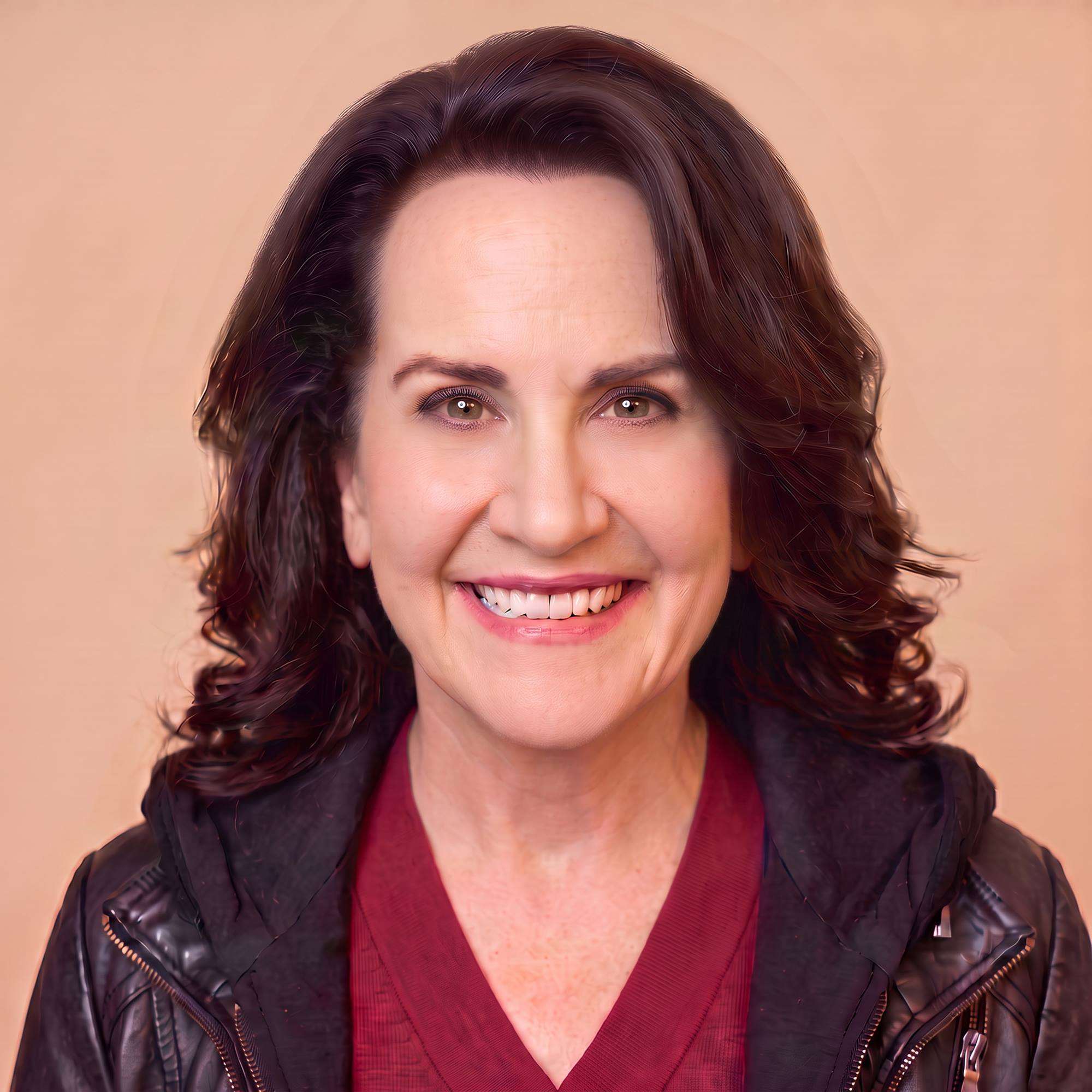
Diane Padilla
Enterprise workforce leader who ran a 6,000+ flexible worker program firsthand.

Glenn Laumeister
Helps enterprise organizations simplify complex flexible workforce programs through EOR services and workforce technology.

Laura Dutile
Moderating the conversation between Diane and Glenn.
Two reports disagree. Payroll reconciliation takes hours. Managers rely on spreadsheets and manual processes to fill the gaps between systems. There's no single, reliable answer for who worked, where, when, or what that labor actually cost.
At 6,000+ workers, the stakes change. Payroll discrepancies take longer to untangle, labor-spend blind spots get bigger, reporting becomes harder to trust, and data gaps create real compliance and operational risk. The question stops being whether the model is inefficient and becomes how long the organization can afford to keep operating that way.
Diane Padilla lived through that decision point while leading workforce strategy across a large, distributed enterprise. She'll share what triggered the change, what she learned through the transformation, and what she would do differently today.
She'll be joined by Glenn Laumeister, CEO of AllWork, to discuss what it takes to bring technology, workforce data, and processes into a more unified model.
A live Q&A will follow.
Critical flexible workforce problems won't announce themselves. They show up as conflicting reports, slow payroll reconciliation, and gaps in workforce data. Diane and Glenn will share how those issues compound, what ultimately forced change, and what they learned along the way.
Where the cracks appear
How disconnected systems, vendors, and manual processes create gaps in scheduling, attendance, reporting, and labor spend, and why those problems become more costly at scale.
What it takes to make a change
What finally pushed the organization to rethink its model and the challenges the teams had to solve along the way.
What a single source of truth changes
What improved when employment, payroll, scheduling, time and attendance, and reporting came together in one system.
What they'd do differently
The lessons, surprises, and advice Diane and Glenn would share with leaders considering a similar transformation.
This conversation is designed for leaders responsible for large or complex hourly and flexible workforces, including professionals across:
If your organization is managing hundreds or thousands of flexible workers, and you're still piecing together information across multiple systems, spreadsheets, vendors, or manual processes, this conversation is for you.
Bring Your Questions
We'll close the webinar with a live Q&A with Diane and Glenn, giving attendees the opportunity to dig deeper into the transformation from both the client and AllWork perspectives — from implementation and change management to adoption, reporting, visibility, and the realities of managing a flexible workforce at enterprise scale.
Save Your Seat for September 30
1:00 PM ET / 10:00 AM PT · Live Q&A to follow · Register below to reserve your spot.